Research Library
Browse the science behind optimization.
Peptides, metabolic health, longevity, recovery, mitochondria, skin biology, and clinical research — organized for readers who want evidence over hype.


One Target. Two Targets. Three Targets.
The evolution of incretin-based metabolic research — from GLP-1 receptor agonism to dual and triple receptor strategies.
Read More →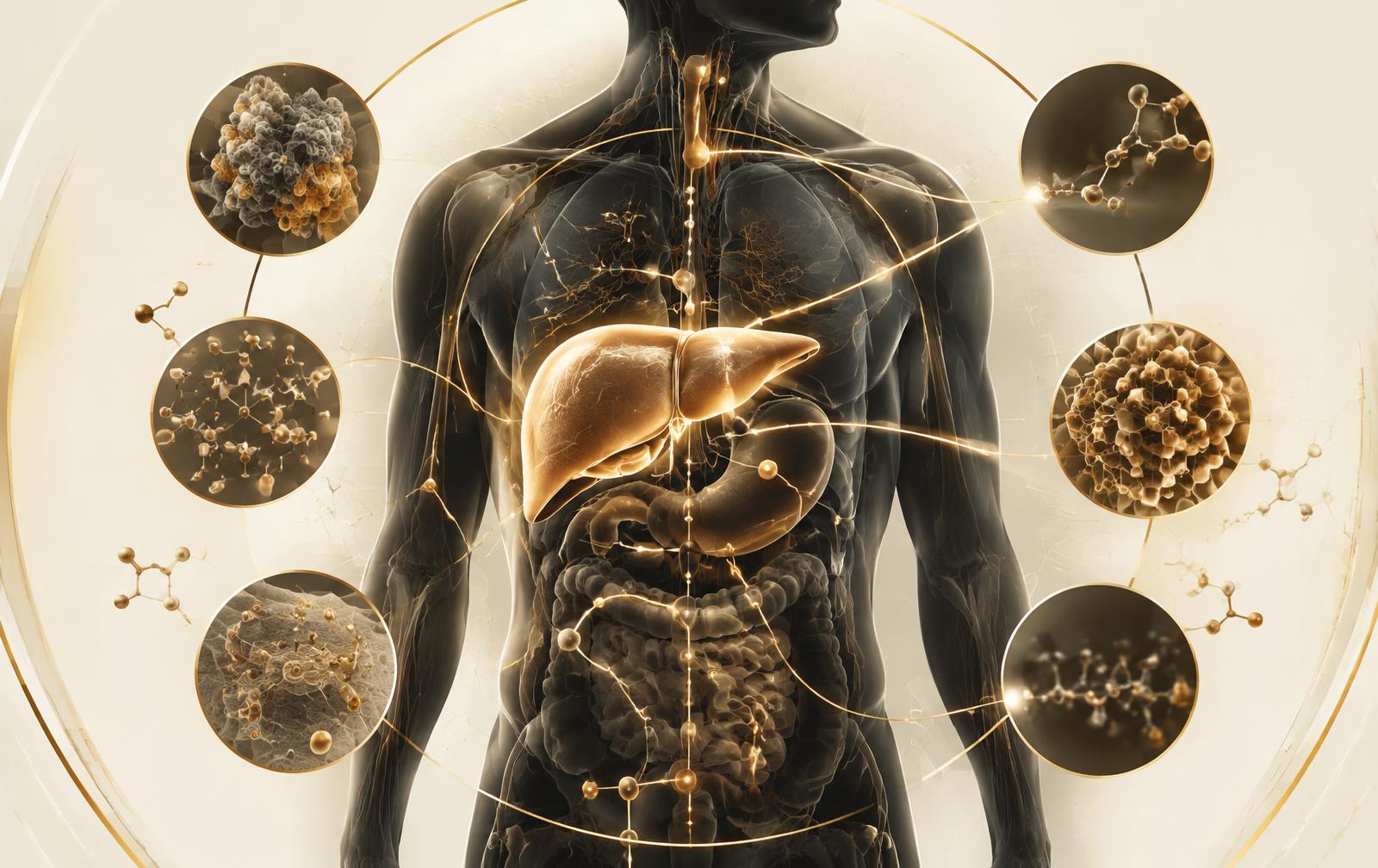
Why Add Glucagon?
The third target in retatrutide may be the most interesting — and the easiest to oversimplify.
Read More →
Copper Ions, Peptides and the Science of Rejuvenation
Copper-binding peptides such as GHK-Cu are biologically interesting, but 'rejuvenation' is a marketing umbrella — not a single proven outcome.
Read More →
Tesamorelin: A Peptide With Real Human Clinical Data
Tesamorelin has human evidence in specific populations and indications — which is exactly why it should not be presented as a general-purpose weight-loss peptide.
Read More →
Visceral Fat Isn’t Just ‘Belly Fat’
Where fat is stored changes the biology — and helps explain why researchers measure visceral and subcutaneous adipose tissue separately.
Read More →
SS-31: Targeting the Mitochondria
Elamipretide research focuses on mitochondrial membranes and cardiolipin — a compelling mechanism that still should not be translated into broad longevity claims.
Read More →
Not All Peptide Evidence Is Equal
Cell studies, animal studies, observational data, controlled human trials, and replication all answer different questions. Promising is not the same as proven.
Read More →
‘Backed by Science’ — But What Kind of Science?
Everyone says it’s backed by science. That phrase does not tell you whether the evidence is a petri-dish experiment, a mouse study, or a replicated human trial.
Read More →
Peptides Are Everywhere. Good Information Isn’t.
The mission of Half-Life Optimization: separate mechanism, evidence, limitations, regulatory status, and unanswered questions from social-media certainty.
Read More →
How to Read a Peptide Study Without Getting Fooled
A practical field guide for reading peptide papers: model, sample size, controls, endpoints, duration, statistics, replication, and whether the claim matches the data.
Read More →
How Can Such a Small Molecule Change a Biological Signal?
Peptides often work because cells are built to listen for small molecular messages — but receptor pharmacology is more complex than a simple lock and key.
Read More →
Why Peptides Can Look Incredible in Mice — and Fail in Humans
Animal models are essential to translational research, but species differences, dose, metabolism, endpoints, and study conditions can all break the bridge to humans.
Read More →
What Makes a Human Trial Convincing?
Randomization, controls, blinding, sample size, endpoints, duration, statistical significance, clinical significance, and replication — in plain language.
Read More →How to read a peptide Certificate of Analysis
A field guide to the document every research-peptide seller publishes and almost no reader interrogates. Batch numbers, HPLC, mass spec, and the difference between a real third-party report and a decorative PDF.
Read More →
What 'research use only' actually means
Four words that started life describing bench reagents and now travel on the outside of consumer-facing peptide vials. The legal weight is smaller than the label implies.
Read More →
Why third-party purity testing matters
Counterfeits, contaminants, and the reason 'looks like the label' is not evidence of anything.
Read More →BPC-157: Promising Research vs. Proven Evidence
Why BPC-157's online reputation is much larger than its controlled human evidence base — and how to read the gap without dismissing the science.
Read More →
TB-500: what the research has actually examined
A synthetic fragment of thymosin beta-4 with a preclinical footprint in tissue repair models, an equine racing regulatory history, and almost no controlled human data.
Read More →
GHK-Cu: The Peptide Your Skin Already Knows
A naturally occurring copper-binding tripeptide with a long biochemistry, a visible cosmetic literature, and important limits on systemic claims.
Read More →
CJC-1295 and Ipamorelin: what the research has examined
A GHRH analog and a selective ghrelin-mimetic. The short-term pharmacodynamic story is well characterized; the chronic clinical story for the marketed use case is not.
Read More →GLP-1 Compounds in Longevity and Performance Circles
The peer-reviewed program for semaglutide and tirzepatide is one of the largest in modern pharmacology. The way it gets discussed in longevity and biohacking media is a different document.
Read More →The peptide reclassification, explained
The February 2026 regulatory changes in plain language: what shifted, what did not, and which categories of buyer and seller the changes actually reach.
Read More →
The GLP-1 moment reaches sport
What started as a diabetes and obesity story is now turning up in locker rooms, broadcast booths, and anti-doping monitoring lists.
Read More →
What Is a Peptide?
A clear guide to amino acids, peptide chains, proteins, signaling, receptors, and why researchers study peptides in the first place.
Read More →
Serena Williams and the postpartum GLP-1 conversation
An August 2025 disclosure, a paid telehealth partnership, and a public reframe of weight as biology rather than willpower.
Read More →
Oprah Winfrey and the 'tool, not willpower' reframe
A December 2023 confirmation, an ABC primetime special, and a board resignation to remove a conflict of interest.
Read More →
BPC-157: Why Is Everyone Talking About It?
What BPC-157 is, why it became popular in recovery circles, what preclinical research has investigated, and why the human evidence remains limited.
Read More →
Elon Musk, 'Ozempic Santa,' and the access debate
A Christmas 2024 social-media post, a follow-up correction, and an argument for making GLP-1 drugs cheap.
Read More →Sleep, recovery, and the secretagogue story
Growth hormone pulses during deep sleep. That fact gets stretched a long way in marketing copy for peptides that target the same axis.
Read More →
Shaquille O'Neal's GLP-1 — for sleep apnea, not a weight story
A 2011 Harvard sleep study, a Zepbound prescription, and an Eli Lilly campaign disclosure.
Read More →'Research use only,' explained
Four words that do a lot of regulatory and legal work — and that mean less than the label implies.
Read More →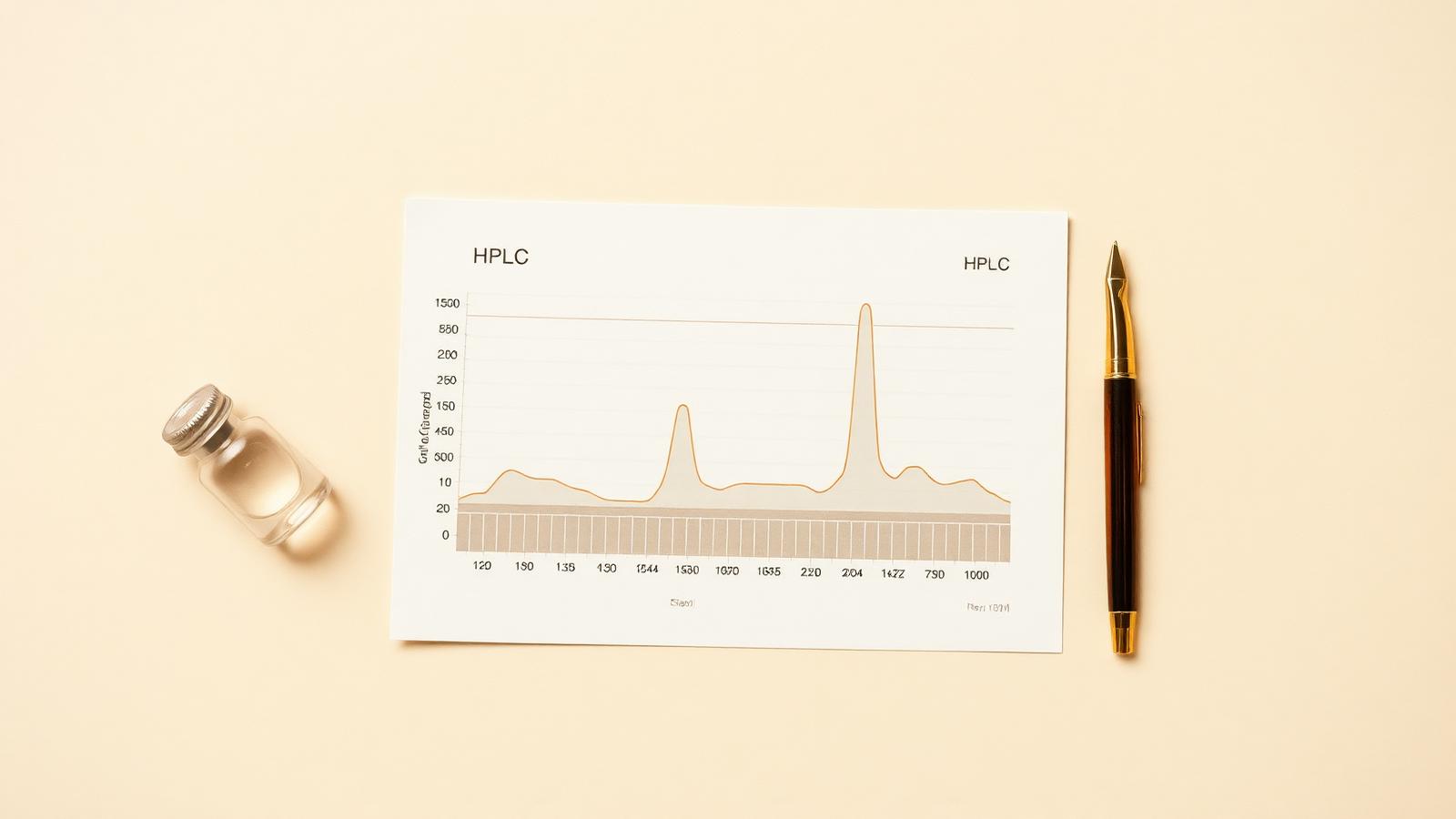
Why third-party testing matters
Identity, potency, sterility, endotoxin. The four words you should know before reading a Certificate of Analysis.
Read More →
What 'compounded' actually means
The word covers a regulated pharmacy practice, an emergency shortage workaround, and — in 2025 — an FDA enforcement target. They are not the same thing.
Read More →The Half-Life Brief
Research worth reading. No hype.
Get evidence-focused breakdowns of peptide research, metabolic health, longevity, performance and emerging science.
Research summaries, not medical advice. Unsubscribe anytime.