Half-Life Optimization
The Science of Optimization.
Peptides. Metabolic health. Longevity. Performance. Emerging research.
Peptides are everywhere. Good information isn’t. Half-Life Optimization examines the research behind peptides, metabolic health, longevity, recovery and human performance — separating promising science from proven evidence.
Explore the ResearchStart Here
Most-read research

BPC-157: Why Is Everyone Talking About It?
What BPC-157 is, why it became popular in recovery circles, what preclinical research has investigated, and why the human evidence remains limited.
Read the Research →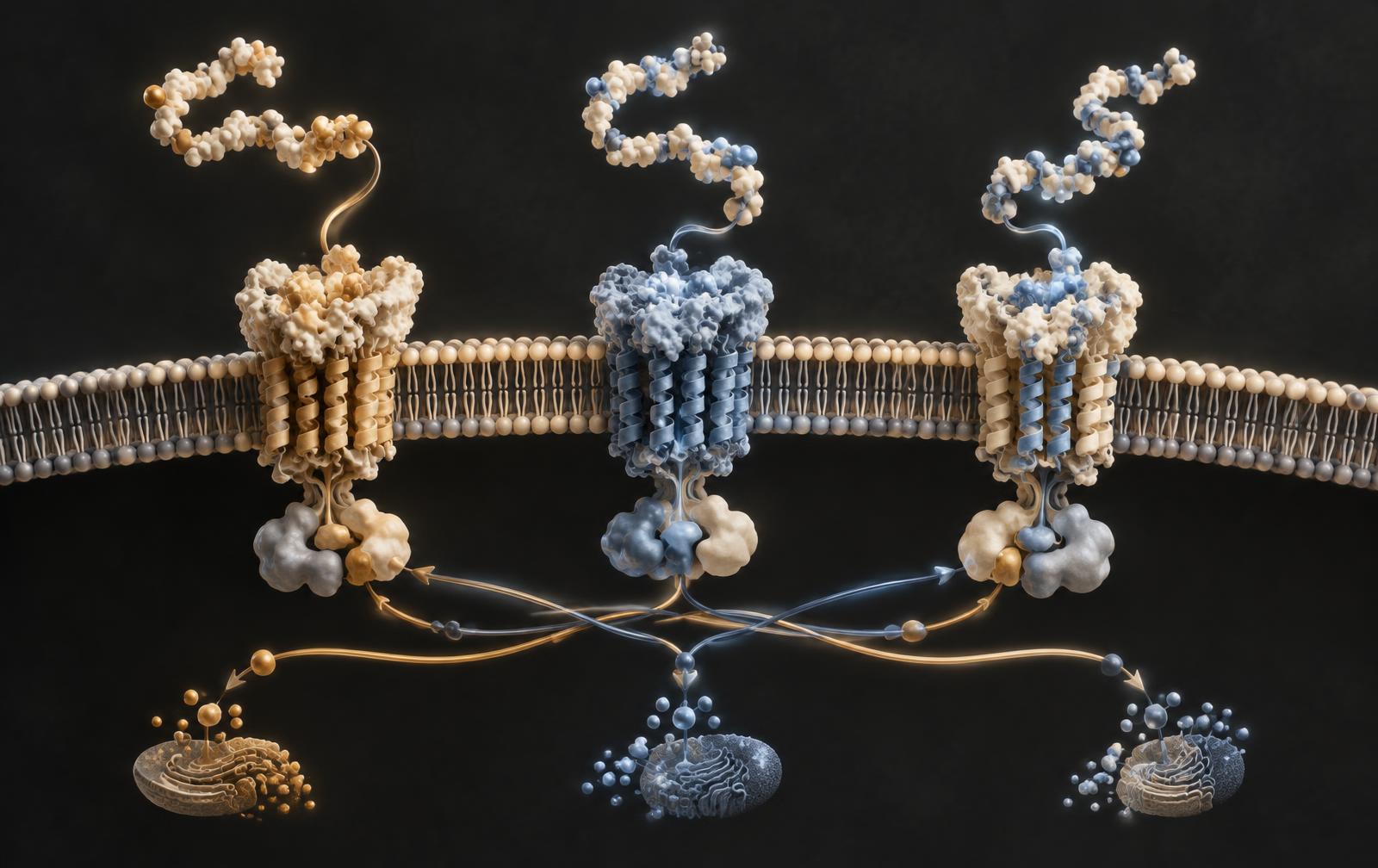
Retatrutide: Why Researchers Are Studying Three Metabolic Targets
The triple-agonist concept links GLP-1, GIP, and glucagon receptor activity — a research strategy designed to test whether coordinated metabolic signaling can do more than one pathway alone.
Read the Research →
GHK-Cu: The Peptide Your Skin Already Knows
A naturally occurring copper-binding tripeptide with a long biochemistry, a visible cosmetic literature, and important limits on systemic claims.
Read the Research →Latest Research
6 pieces

One Target. Two Targets. Three Targets.
The evolution of incretin-based metabolic research — from GLP-1 receptor agonism to dual and triple receptor strategies.
Read More →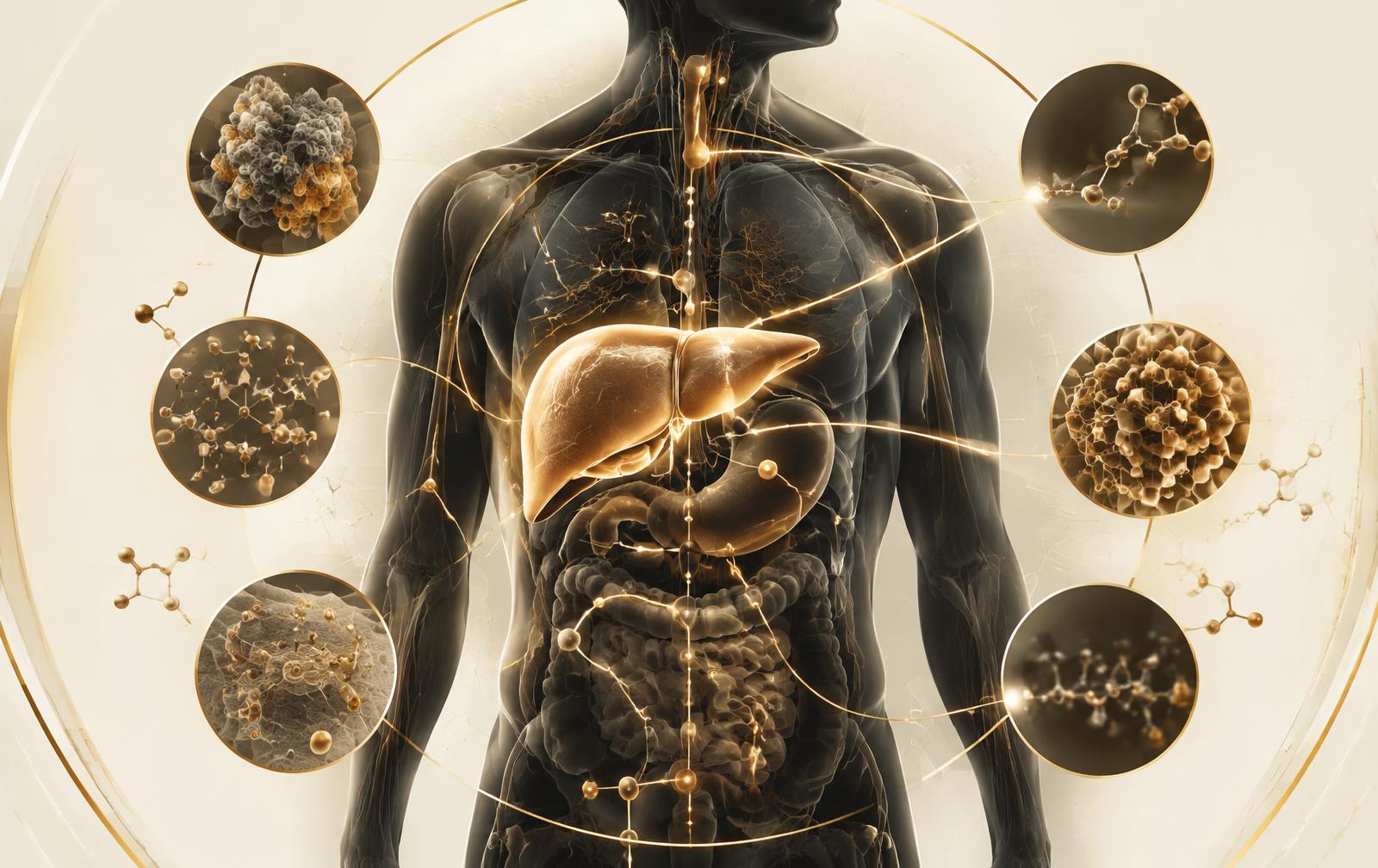
Why Add Glucagon?
The third target in retatrutide may be the most interesting — and the easiest to oversimplify.
Read More →
Copper Ions, Peptides and the Science of Rejuvenation
Copper-binding peptides such as GHK-Cu are biologically interesting, but 'rejuvenation' is a marketing umbrella — not a single proven outcome.
Read More →
Tesamorelin: A Peptide With Real Human Clinical Data
Tesamorelin has human evidence in specific populations and indications — which is exactly why it should not be presented as a general-purpose weight-loss peptide.
Read More →
Visceral Fat Isn’t Just ‘Belly Fat’
Where fat is stored changes the biology — and helps explain why researchers measure visceral and subcutaneous adipose tissue separately.
Read More →
SS-31: Targeting the Mitochondria
Elamipretide research focuses on mitochondrial membranes and cardiolipin — a compelling mechanism that still should not be translated into broad longevity claims.
Read More →Trending in Metabolic Science
GLP-1, incretins, visceral fat
One Target. Two Targets. Three Targets.
The evolution of incretin-based metabolic research — from GLP-1 receptor agonism to dual and triple receptor strategies.
Read More →Why Add Glucagon?
The third target in retatrutide may be the most interesting — and the easiest to oversimplify.
Read More →Understanding the Evidence
Research literacy

Not All Peptide Evidence Is Equal
Cell studies, animal studies, observational data, controlled human trials, and replication all answer different questions. Promising is not the same as proven.
Read More →
‘Backed by Science’ — But What Kind of Science?
Everyone says it’s backed by science. That phrase does not tell you whether the evidence is a petri-dish experiment, a mouse study, or a replicated human trial.
Read More →
Peptides Are Everywhere. Good Information Isn’t.
The mission of Half-Life Optimization: separate mechanism, evidence, limitations, regulatory status, and unanswered questions from social-media certainty.
Read More →Longevity & Cellular Health
Mitochondria, skin, aging biology
Copper Ions, Peptides and the Science of Rejuvenation
Copper-binding peptides such as GHK-Cu are biologically interesting, but 'rejuvenation' is a marketing umbrella — not a single proven outcome.
Read More →SS-31: Targeting the Mitochondria
Elamipretide research focuses on mitochondrial membranes and cardiolipin — a compelling mechanism that still should not be translated into broad longevity claims.
Read More →GLP-1 Compounds in Longevity and Performance Circles
The peer-reviewed program for semaglutide and tirzepatide is one of the largest in modern pharmacology. The way it gets discussed in longevity and biohacking media is a different document.
Read More →The Half-Life Brief
Research worth reading. No hype.
Get evidence-focused breakdowns of peptide research, metabolic health, longevity, performance and emerging science.
Research summaries, not medical advice. Unsubscribe anytime.
Research platform
Looking beyond the articles?
ORA Wellness Labs provides account-based access to its laboratory research-material platform.
Keep Reading
More from the library
Not All Peptide Evidence Is Equal
Cell studies, animal studies, observational data, controlled human trials, and replication all answer different questions. Promising is not the same as proven.
Read More →‘Backed by Science’ — But What Kind of Science?
Everyone says it’s backed by science. That phrase does not tell you whether the evidence is a petri-dish experiment, a mouse study, or a replicated human trial.
Read More →Peptides Are Everywhere. Good Information Isn’t.
The mission of Half-Life Optimization: separate mechanism, evidence, limitations, regulatory status, and unanswered questions from social-media certainty.
Read More →